Lung sliding
By erich | Last updated: Apr 29, 2026
Visceral and parietal pleura in direct contact and moving against one another causes a shimmering "ants crawling on a line" appearance.
This is best seen with the depth and gain down with multi beam and smoothing disabled.
Linear high frequency probes are best, but any probe will do. Have the probe oriented longitudinally (cephalo-caudad).
If unsure of the visual motion M-mode is useful:
Seashore Sign confirms normal lung sliding. The static chest wall looks like straight lines (the sea), and the moving lung looks like sand (the beach). Barcode (Stratosphere) Sign shows absent lung sliding due to apnoea, misplaced endotracheal tube, pneumothorax, pleural or lung pathology. The entire image consists of horizontal lines because there is no motion beneath the parietal pleura.
Normal Lung sliding
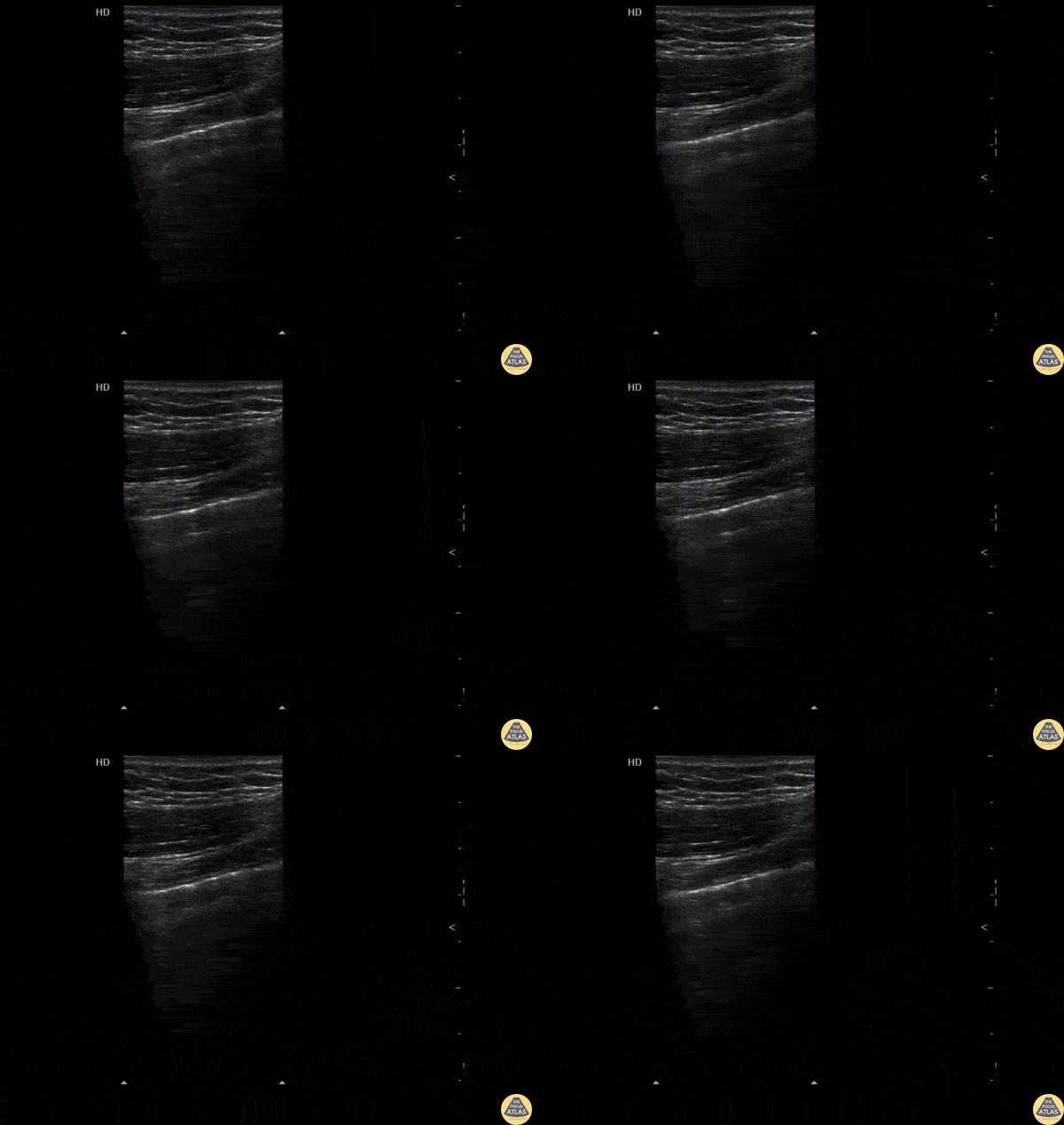
Lung sliding - Colorised green: subcutaneous tissue, red: pleural space, blue: a lines
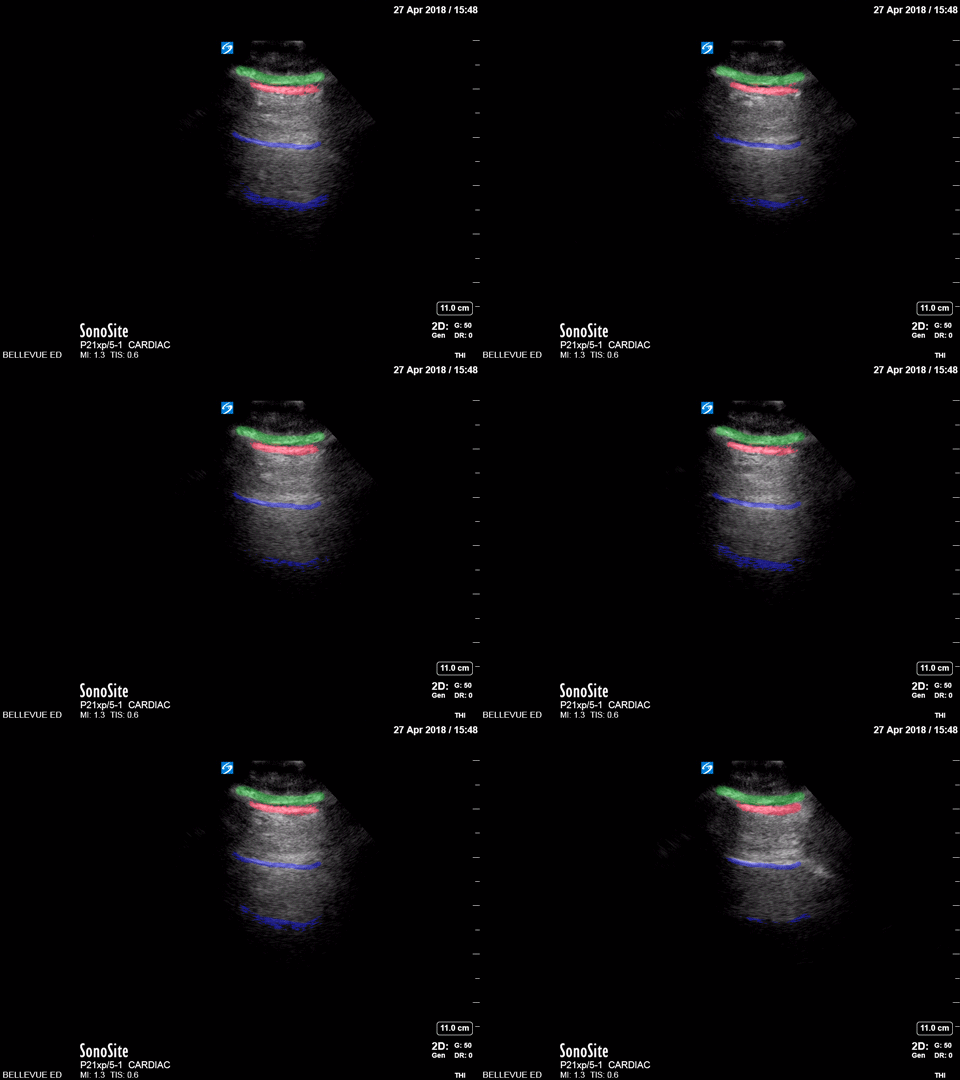
Illustrating improved lung slide visualization by decreasing the gain
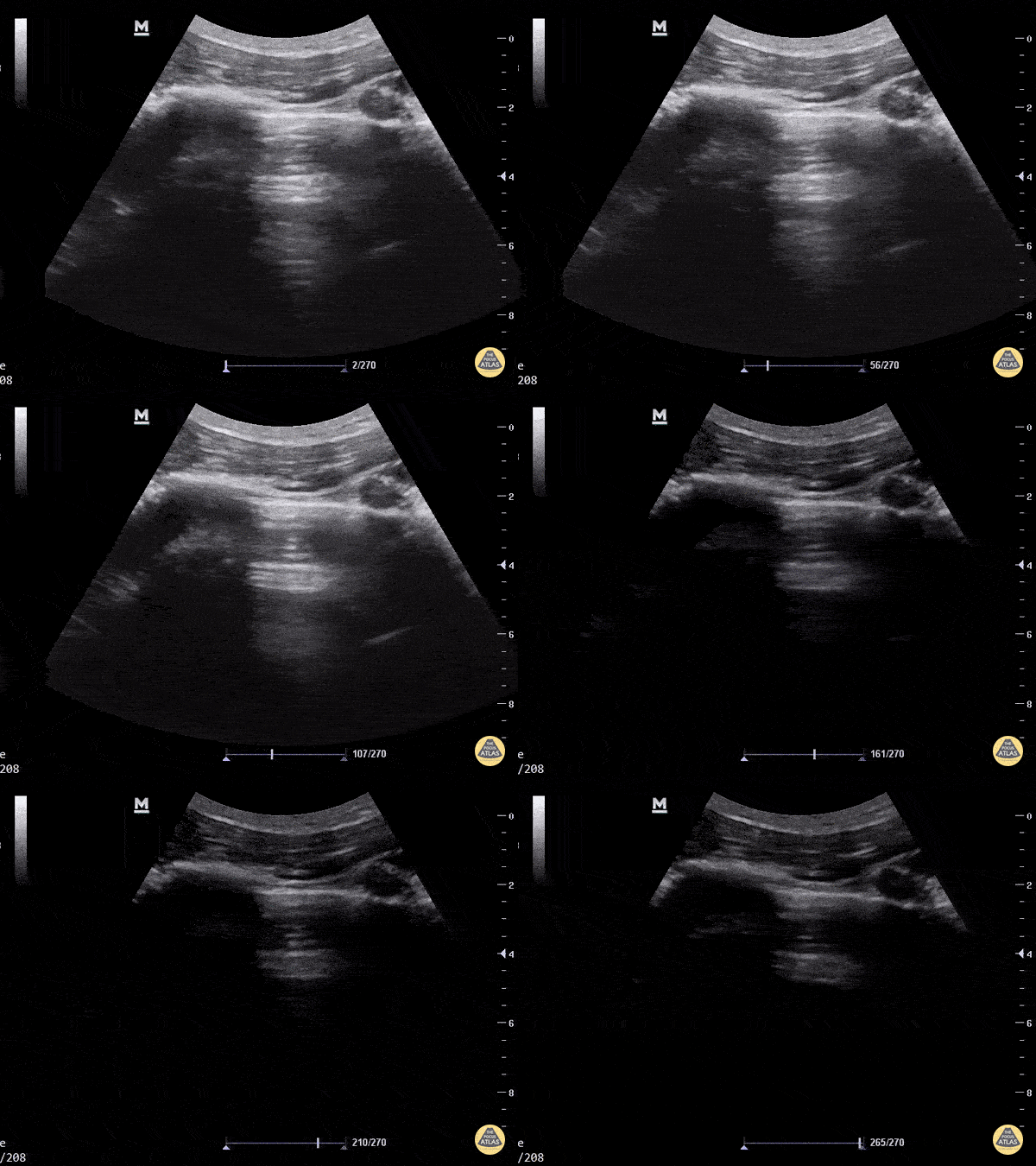
Normal lung sliding - FAST in trauma case
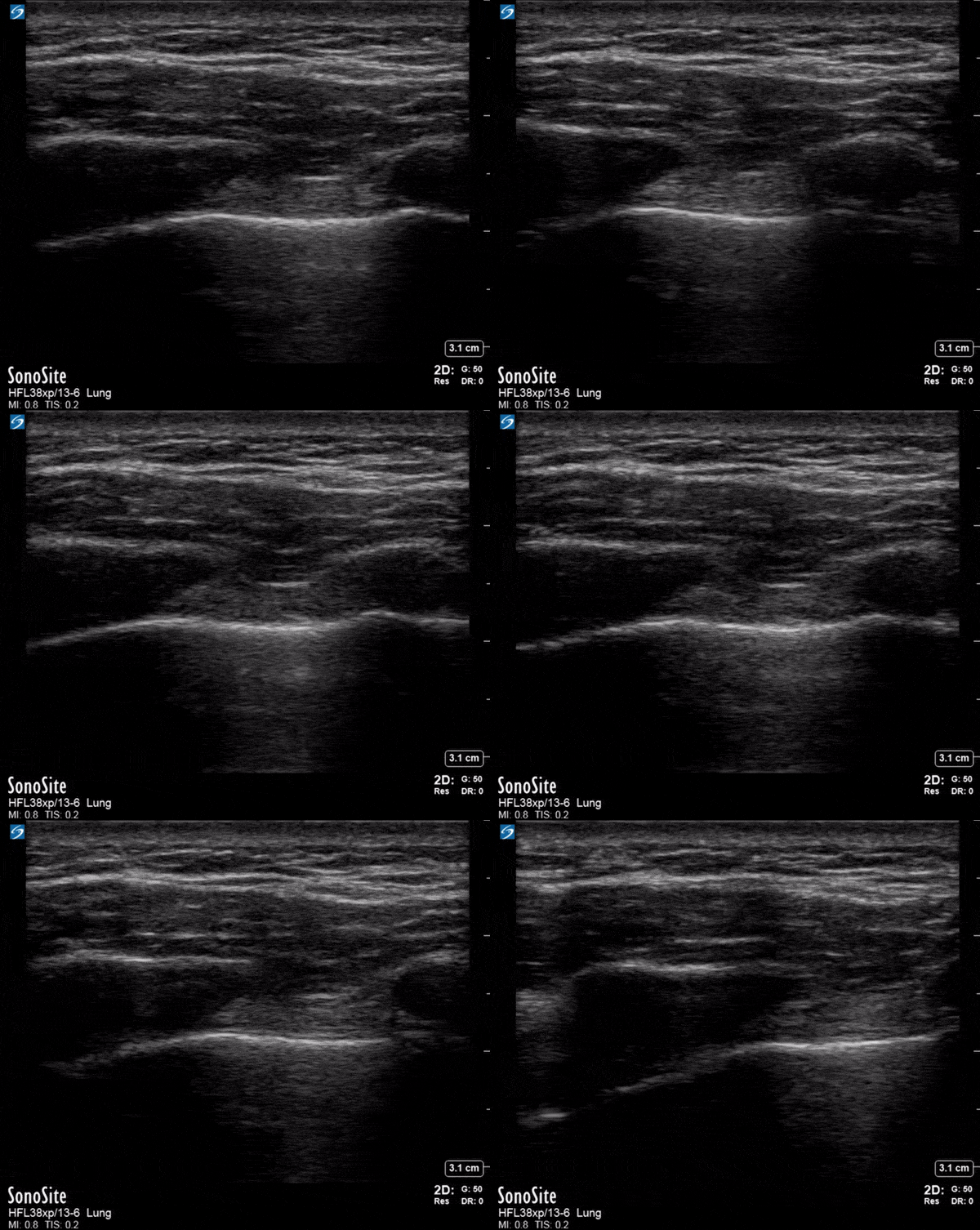
No lung sliding
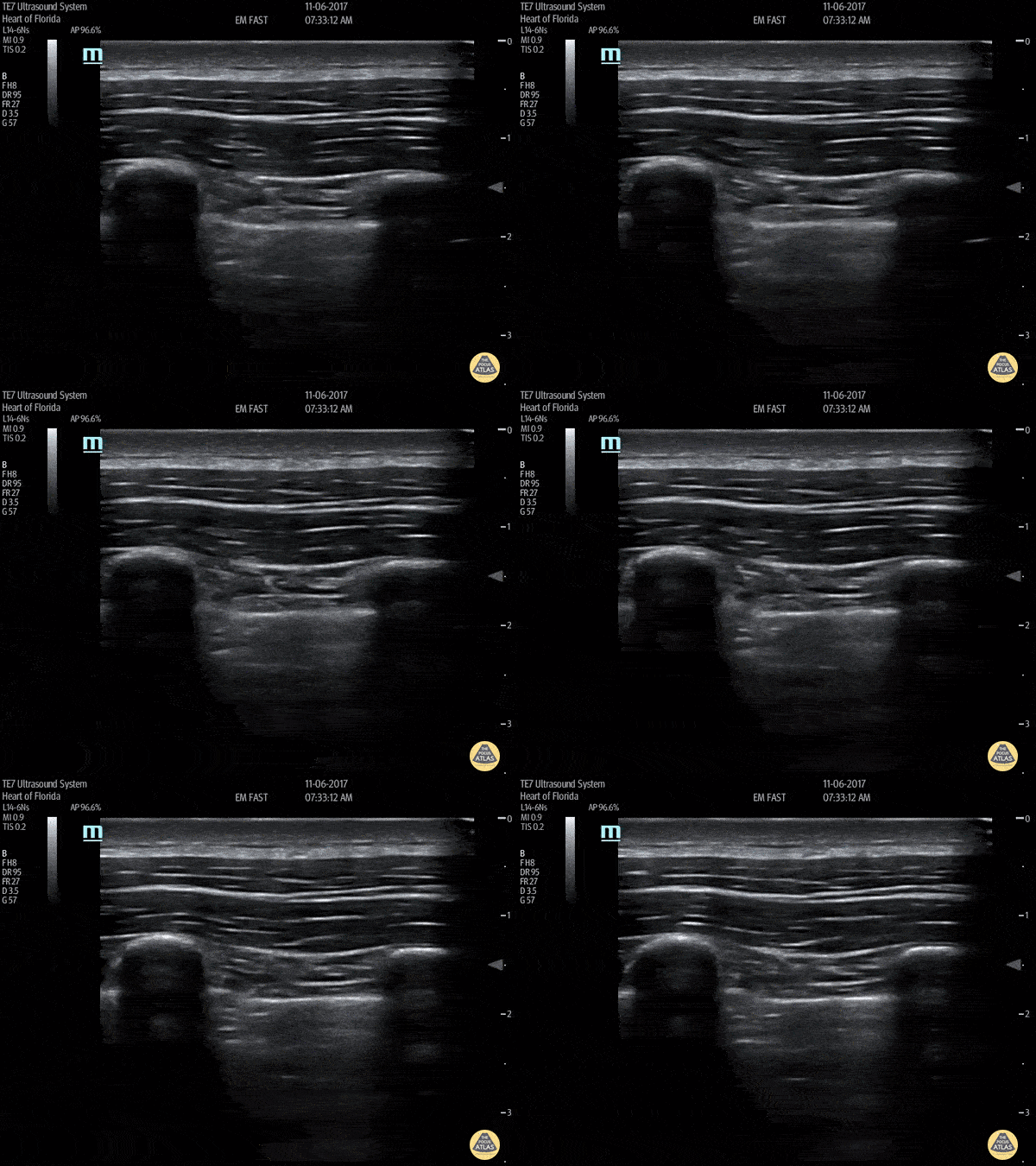
Lung sliding and A-lines
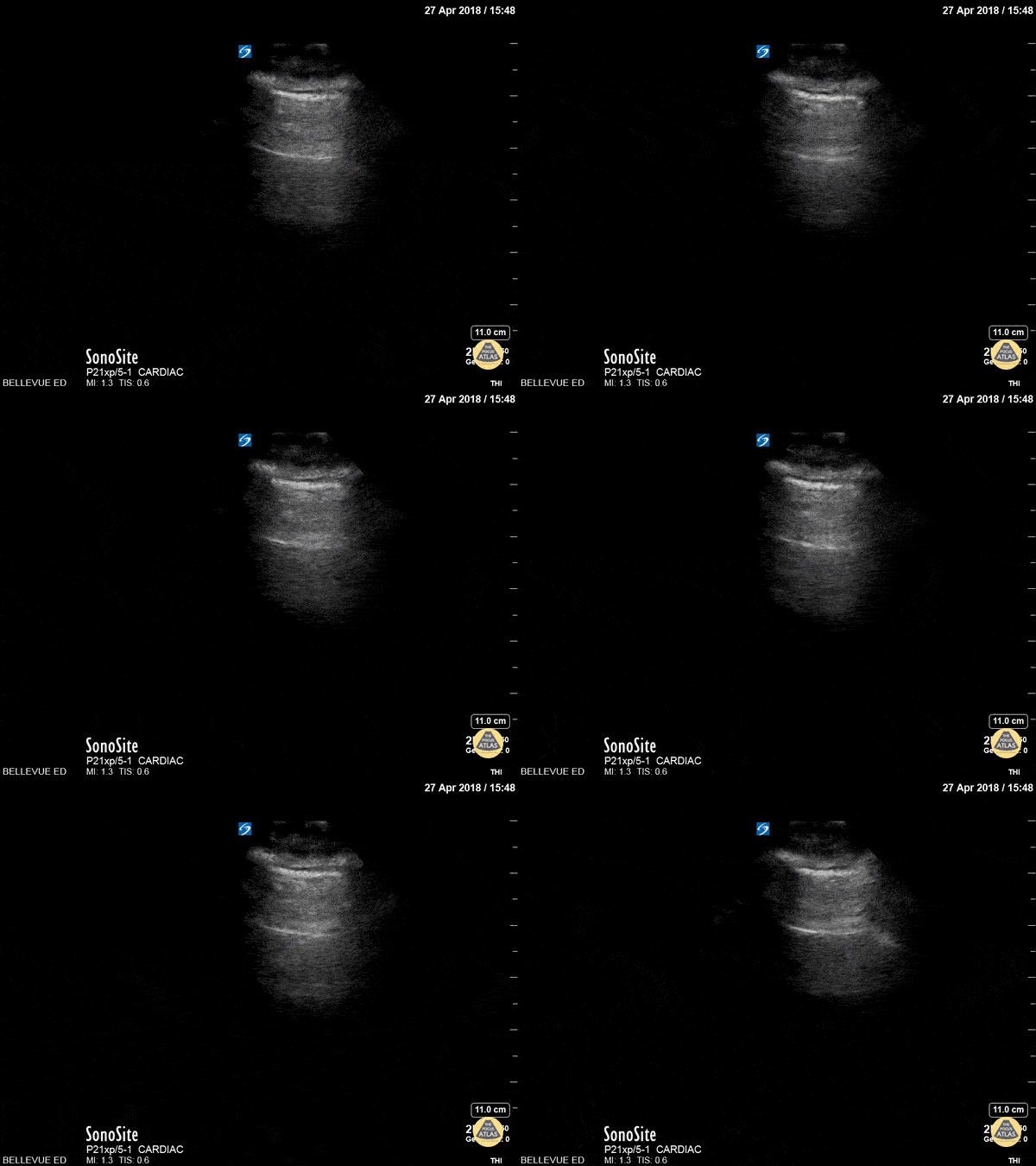
Normal Lung sliding in paediatric (21 month) trauma case
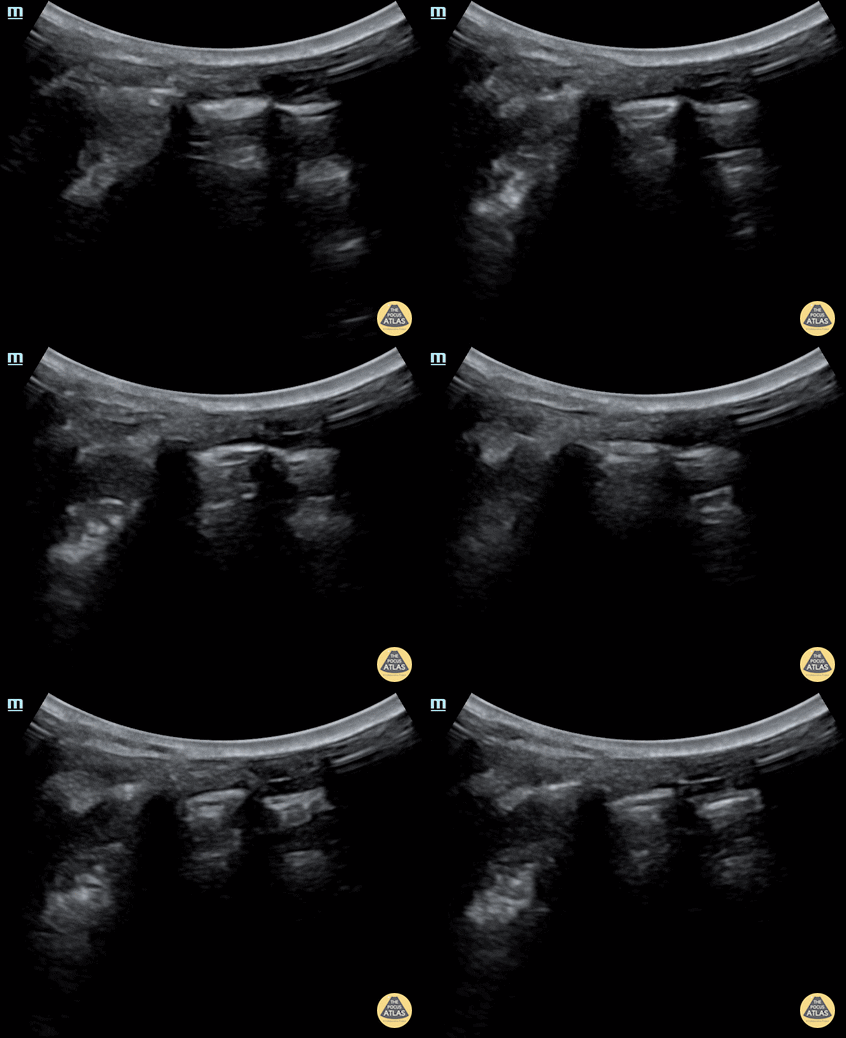
Normal Lung sliding during FAST exam in 11 year old
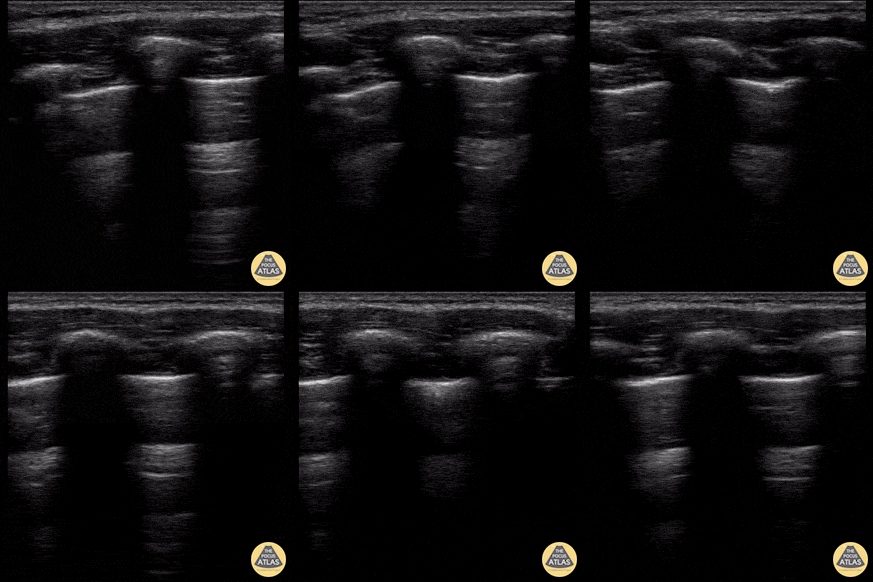
Normal lung sliding with comet tails in 4 year old
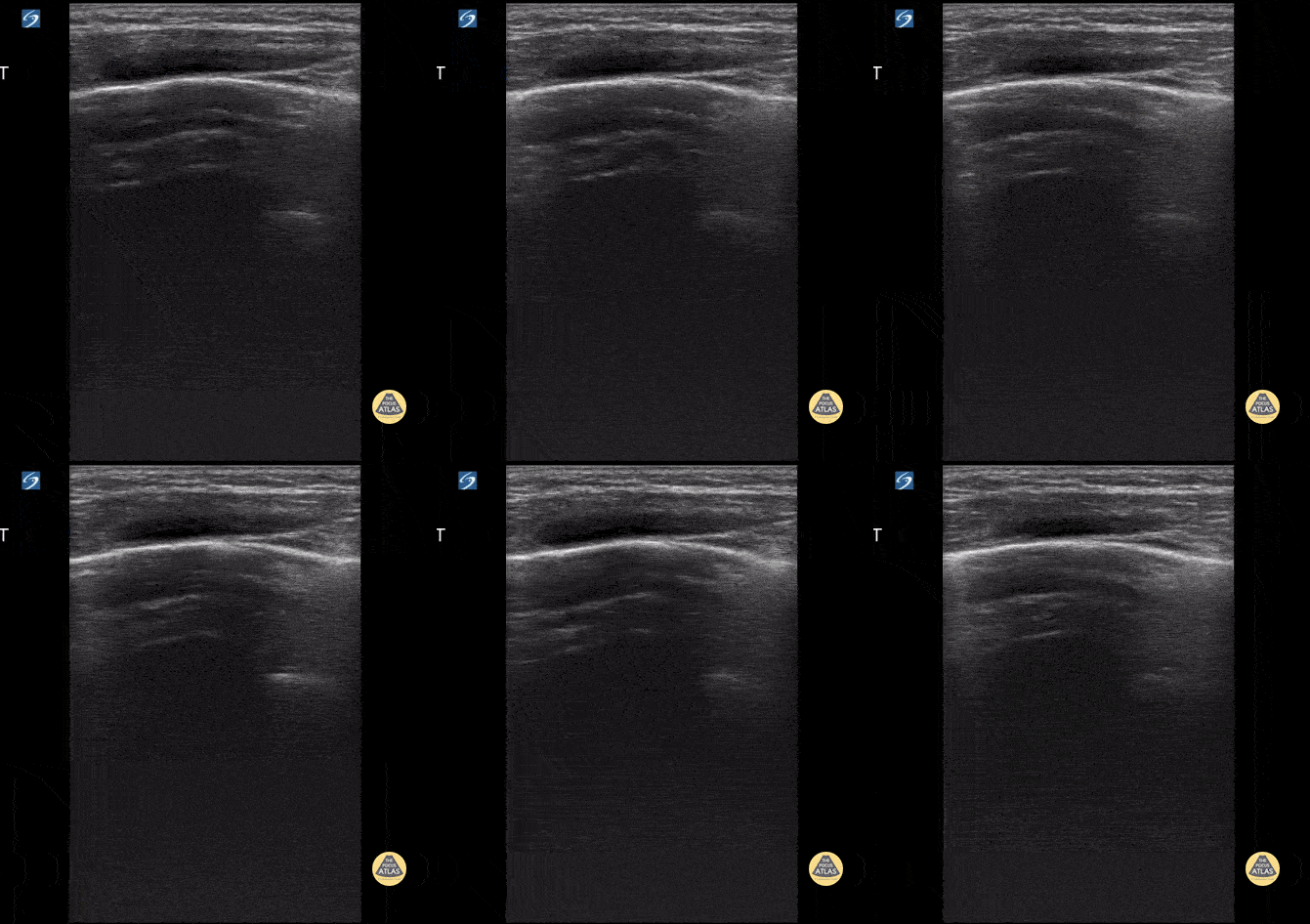
No lung sliding in paediatric case
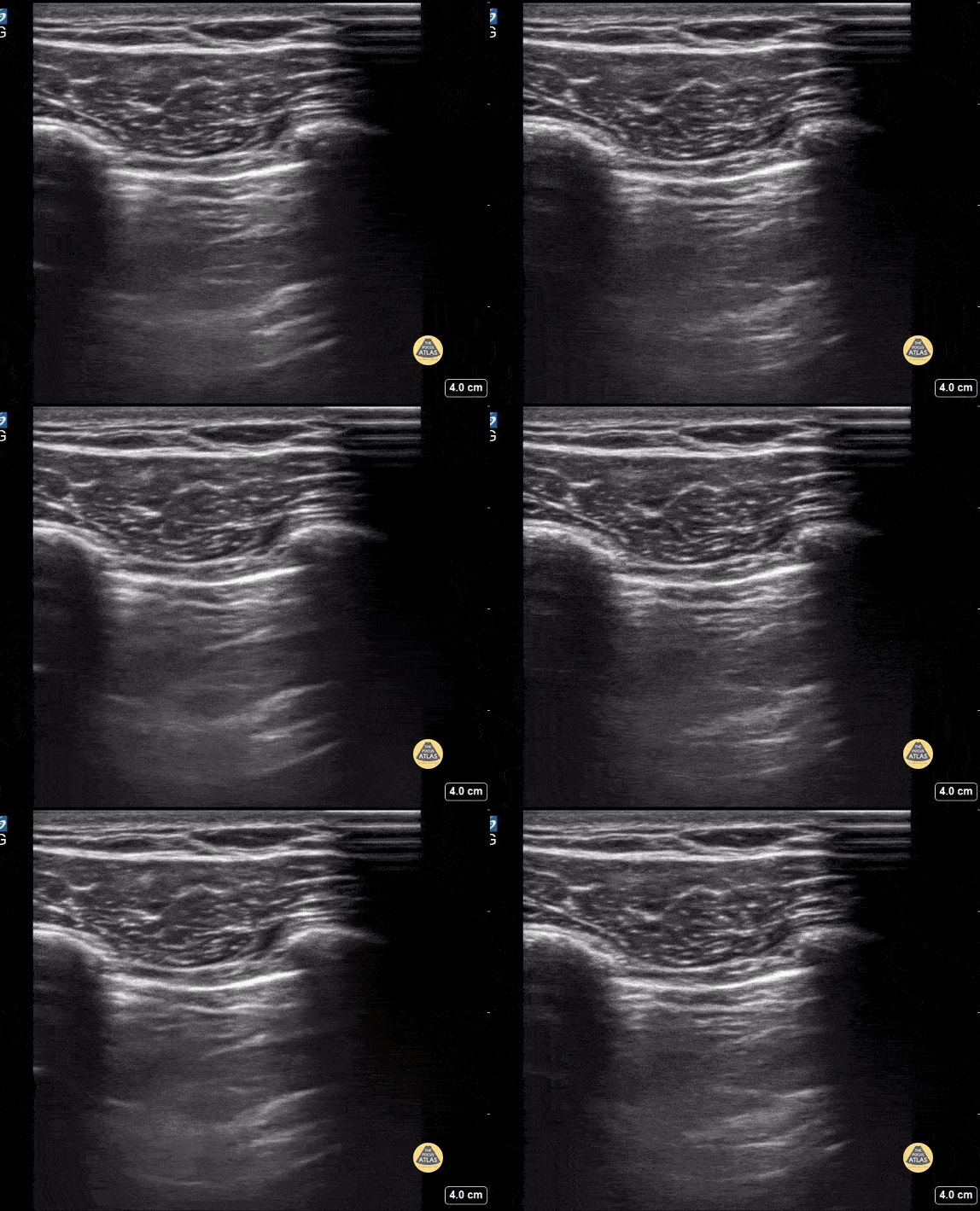
Lack of lung sliding in paediatric case
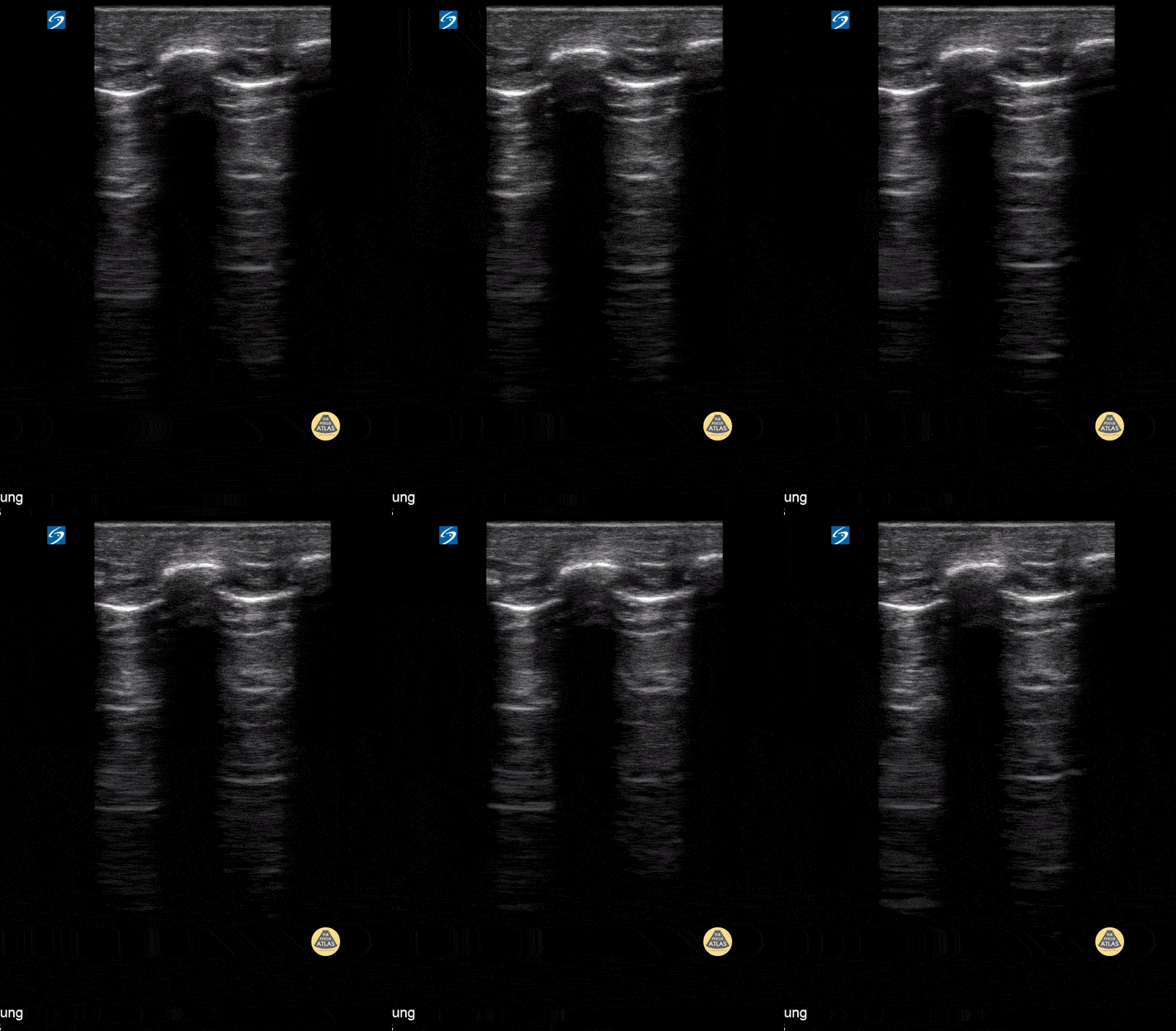
Reference
Comments
Make a CommentNo comments yet. Be the first to comment!